The idol pop duo Vanilla Beans from Japan, in order to promote their recent album release of “VaniBest,” are creating some unique promotional events.
Video Vanilla Ice Cream
Let me preface this post by saying, “Vanilla is my favorite flavor and when I was a small child my mother tried to coax me into ordering something different although, I would always wind up ordering vanilla”. I am very glad I did as you will read in the following text. KM
Health Benefits of Vanilla Essential Oil
The health benefits of Vanilla Essential Oil can be attributed to its properties such as: anti oxidant, aphrodisiac, anti carcinogenic, febrifuge, anti depressant, sedative, tranquilizing and relaxing.
If you always thought that the name ‘Vanilla’ was a proprietary property of all those industries producing those mouth watering ice creams, chocolates, cakes, pastries, custards, biscuits, confectioneries and soft drinks, and there could not be a better use of it, then you were wrong. The Essential Oil of Vanilla is extracted by solvent extraction of a resinous substance obtained from fermented Vanilla beans. These beans grow in vanilla plants, a creeper that grows mainly in Mexico and neighboring countries and bears a scientific name ‘Vanilla Planifolia’. Its main components are Acetic Acid, Caproic Acid, Eugenol, Furfural, Isobutyric Acid and Vanillin Hydroxybenzaldehyde. Most of the flavors with a ‘Vanilla’ tag on them are not derived from original vanilla at all. They are synthesized from hydrocarbons.
Apart from its widespread use as a flavoring agent in the food, beverages and pharmaceutical industries and in culinary, the Essential Oil of Vanilla found its uses in the world of medicines too, and look how many health benefits it offers.
Anti Oxidant: This property alone can take care of most of your problems. I do not know whether you are aware of it or not, but oxidation is one of the biggest causes behind most of our troubles and diseases. It is directly and indirectly responsible for a number of diseases caused by organic malfunctions and infections. Oxidizers or free-radicals cause oxidation of the living cells and tissues and burn them to death. Gradually, this result in weakening of the immunity, loss of memory, organic and nervous malfunctioning, gradual loss of vision & hearing, mental instability, macular degeneration etc. and the body becomes prone to diseases. The anti oxidant property of Vanilla Essential Oil neutralizes these free radicals and protects the body from wears and tears, infections and even some forms of cancer, such as those of prostrate, colon etc. It also repairs the damages already done to the body.
Aphrodisiac: A systematic administration of Vanilla Essential Oil to the patients of impotency, erectile dysfunction, frigidity, loss of libido etc. can relieve them of their problems, and it is well proven. This oil stimulates secretion of certain hormones like testosterone, estrogen etc. which help bring about normal sexual behavior and promotes arousal.
Anti Carcinogenic: To some extent, the anti carcinogenic property of Vanilla Oil comes from its anti oxidant properties. The free radicals or oxidants do not only damage tissues, but can also cause certain type of cancers, such as those in prostrate, colon etc. Certain components Essential Oil of Vanilla checks growth of cancerous cells, thereby helping cure cancer.
Febrifuge: The vanilla oil can effectively reduce fever by fighting infections due to presence of components like Eugenol and Vanillin Hydroxybenzaldehyde in it. Being a sedative, it also reduces inflammation due to fever (Anti Phlogistic would be the right word for it) and this also contributes to reducing fever.
Anti Depressant: You were sitting alone, depressed. Then somebody brings you a vanilla ice cream or a vanilla flavored drink, you have that and lo! The depression is gone! You start feeling pleased, satisfied and get into mood. This is one of the biggest advantages of vanilla aroma (better if it is real vanilla, but synthetic Vanilla or artificially synthesized Vanillin Hydroxybenzaldehyde works good too) that it makes you happy. The flavor alone is so pleasingly sweet and soothing that everybody, ranging from toddlers to centurions, likes it. Vanillin Hydroxybenzaldehyde, a component of Vanilla Essential Oil, is an effective anti depressant and mood up-lifter.
Sedative: The Essential Oil of Vanilla soothes. It soothes all types of inflammations and hyperactivity in all the systems functioning in our body, namely, the respiratory system, circulatory system, digestive system, nervous system and the excretory system. It sedates inflammation due to fever, convulsions, anxiety, stress, hypersensitivity of allergy etc.
Tranquilizing: Vanilla Essential Oil helps you get a sound sleep too. This is due to the sedative and relaxing properties of this oil. It lowers blood pressure and has a sort of tranquilizing effect on the brain too, and you cannot keep you eyelids open anymore. All you see then is your bed and pillows.
Relaxing: This oil has a relaxing and calming effect on the brain and the nerves and gives relief from anxiety, anger, restlessness etc.
Other Benefits: It helps regularize menstruations (although not exactly an emenagogue) by activating certain hormones like estrogen, which
Blending: Essential Oil of Vanilla blends well with essential oils of Orange, Lemon, Neroli, Jojoba, Chamomile, Lavender and Sandal Wood.
This article was contributed by Aparup Mukherjee
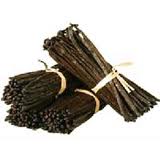 Health Benefits of Vanilla: It May Have Anti-Cancer Benefits
Could the cure for cancer be in your spice cabinet? Vanillin, the active ingredient in vanilla, has shown some interesting anti-cancer properties. Not only does it prevent mutations, the changes in the cell’s DNA that lead to cancer, but it also stops growth of cancer cells in a laboratory setting. A study conducted on mice showed that vanillin stopped the metastasis or spread of breast cancer cells to the lungs and decreased their ability to invade new tissue. Bromovanin, a derivative of vanillin, also shows some promise for the treatment of cancer and could be used in the development of new cancer treatments.
Health Benefits of Vanilla: Can It Help Those with Alzheimer’s?
Vanillin, the active component of vanilla, has antioxidant activity and appears to offset some of the oxidative damage that occurs in the brains of patients with Alzheimer’s disease – particularly the formation of a compound called peroxynitrite. Peroxynitrite plays a role in other degenerative diseases of the brain such as Parkinson’s disease. Although research in this area is still in its infancy, it may hold future promise for people dealing with these debilitating diseases.
Health Benefits of Vanilla: Medicinal Uses in the Past
Vanilla has been used historically as far back as the seventeenth century to treat a variety of conditions including stomach ulcers and sleep difficulties. The essential oil reportedly has sedative-like properties. Some alternative practitioners use vanilla essential oil to treat insomnia, anxiety, and depression. It’s also thought to be an aphrodisiac although there’s little scientific evidence to support this.
Health Benefits Of Vanilla
Vanilla is one of the oldest and one of the most expensive spices as well as one of the most familiar, but you don’t hear a lot about it’s health benefits. That’s probably because it is more important for its flavoring and aromatic uses.
Among the purported health benefits of vanilla by ancient peoples was that it could act as an aphrodisiac. But it wasn’t just ancient peoples that thought this, in the 1700’s it was recommended by physicians to be drunk as an infusion or tincture for the purposes of male potency. An article written by the German physician in 1762 claimed that 342 impotent men were changed into astonishing lovers from drinking vanilla decoctions.
In modern times, aromatherapy tests were done on different aromas and the one that most men were aroused by was vanilla. There is some controversy over whether this arousal was gastronomic or sexual. Even so, vanillin does have anti-oxidant properties. Yet there are less expensive and more effective means of getting antioxidants (fish oil, omega-3).
While not a lot of testing has been done on vanilla regarding any specific health benefits, it is classed as a vanilloid along with capsaicin contained in chile peppers and eugenol contained in cloves – both of which have numerous medicinal properties and health benefits. Some nutritionists have conjectured that vanilla might be a mild help in preventing cancer.
On the negative side, persons with Gilbert’s Syndrome should avoid consuming vanilla, as many have experienced debilitating effects from its ingestion2.
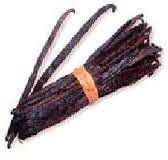 How Vanilla Is Produced
Vanilla, native to Mexico, is a familiar spice. Its use dates back to Mesoamerican times when the Totonac people of Mexico used it in rituals. Today, it is cultivated in many places, with Madagascar and Indonesia being the top producers, responsible for over 90 percent of the vanilla used around the world today, as well as Tahiti, Thailand and other tropical areas.
Vanilla grows on a vine that climbs up a tree or pole – any support can be used. In nature it will grow as high as it is allowed, but on plantations the vine is folded down to where it can be reached so that all the beans can be harvested. This also has the effect of encouraging flowering and making the plant more productive.
The vanilla planifolia flower is an orchid that produces a fruit that is a result of the pollination of the flower. Pollination, however isn’t easy because while the plant has both male and female organs, they are separated to prevent self-pollination. Natural pollination can only be carried out by a certain species of bee that is native to Mexico. Therefore, in order to grow vanilla in other place, the plants must be pollinated by hand.
Interestingly enough, this artificial pollination is still done much the same way it was back in 1841 when the method was discovered. The membrane that separates the anther and the stigma (the male and female parts of the flower) is folded back using a bamboo shoot so self-pollination can occur.
Vanilla plants are propagated by cuttings, and it takes 18 months for a new cutting to produce it’s small yellowish green orchid blooms. Each flower only blooms for a few hours. So workers must inspect the plants dutifully throughout the day in order to pollinate as many flowers as they can. A few weeks after pollination, a long green bean will start to grow – the vanilla bean. The bean is left growing on the vine for 9 month in order for it to develop it’s unique flavor. When the bean is finally picked it has no fragrance or flavor until it is dried.
There are various methods of drying vanilla beans. Whichever method is used, the enzymatic process of the bean must be stopped first or it will ferment so the bean is either blanched in hot water or heated in an oven. The beans are then dried in the sun for months and then placed in wooden boxes where they “sweat” out 80% of their moisture. This is when their distinctive flavor and aroma really starts to come out. The beans are then sorted and the essential oils are extracted from the beans. Sugars are added to the oil in order to preserve its flavor.
Imitation Vanilla is actually made from an essential oil of cloves called eugenol. While you might not think so when you see it in your spice cabinet, producing vanilla takes a lot of care and a lot of time. In fact, the entire process from pollination to when it gets shipped to the baking isle in your store takes over a year!
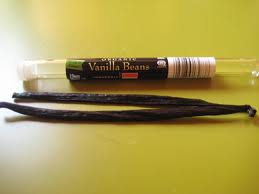 The History Of Vanilla
Anyone who has done any type of baking is probably familiar with vanilla or, at least, vanilla extract, but are you aware that the history of vanilla goes back to ancient times? It was the Totonac Indians of Mexico who first cultivated this bean. They used it in rituals long before Columbus came to America. It was also used as a medicine and as a perfume. Interestingly enough, they didn’t use it for flavoring. It was adopted by the Aztecs after the Totonacs were conquered in the 15th century. The Aztecs mixed it with chocolate to make their tasty drink chocolat.
When the Spanish came to Mexico in the 16th century, the Aztecs introduced Cortez to the drink. He brought vanilla and cacao back to Europe where it was enjoyed by only the rich and famous for many years. It wasn’t until 1602, that vanilla was actually used as a flavoring all on it’s own.
Up until the middle of the 19th century, Mexico was the only producer of Vanilla. However, in 1819, French entrepreneurs tried their hand at cultivating the bean on their own islands. They failed until they came up with a method of hand pollinating the flowers. Only a bee found in certain regions of Mexico would polinate the Vanilla flower. With the French discovery vanilla began to flourish on tropical islands like Mauritius, Madagascar, Reunion Island and the Comoros Islands.
Like many spices in history, vanilla was once very expensive. As supply increased, prices came down, but in 1970 a typhoon struck many of the islands that produce vanilla and, since many plants were lost, the supply went down and prices went up. Prices remained high for 10 years, mainly because the sale of vanilla was controlled by a tight group. Once this group disbanded in the mid 1980’s prices dropped drastically. Then, again, in 2000 another typhoon drove prices up again, which have been steadily decreasing since.
Vanilla grows on a vine and is the fruit of a flower called the Vanilla plan folia. While native to Mexico, today there are 3 other regions that produce vanilla beans. Madagascar is the largest producer, and beans from this region are known as Madagascar Bourbon vanilla, which refers to the Burbon islands where they are grown. The second largest producer is Indonesia. The vanilla from this area is not as sweet as the Madagascar vanilla and not as desirable. The remaining 10 percent of vanilla comes from Mexico and Tahiti.
Today you can find vanilla in virtually everything from ice cream to candles to perfume and it is a staple for baking and puddings, as well as other uses in the kitchen.
 Using Vanilla In The Kitchen
Anyone who has done even a minimal amount of baking knows that vanilla is used in many dessert dishes and sauces. In fact, vanilla is one of the worlds most popular, and at the same time, most expensive spices. This interesting spice is the dried fruit of the vanilla planifolia plant an orchid which grows on vines. Native to Mexico, and once a favorite spice of the Aztecs, vanilla is now mainly produced in Madagascar and Indonesia.
This bean pod shaped spice is about 7 inches long and dark brown when dried. Interestingly enough, the fruit itself does not have any taste or aromatic properties until it is dried in the sun and then dehydrated. For use in the kitchen, vanilla can be used in pod form, vanilla powder, or as a bottled liquid called vanilla extract. Anyone who has used vanilla in cooking knows that a little bit goes a long way. Popular in pastries and baked goods, it can also be a great compliment to seafood.
When choosing vanilla beans for use in the kitchen, pick ones that are plump and full of seeds. Make sure they are very dark – almost black and that the are flexible – not stiff or rigid. Beans can be store for 6 months in a tightly sealed container under refrigeration. The extract can be stored indefinitely and the taste actually improves with age. The powder should be kept sealed in a cool, dry place.
Vanilla beans are often used whole, and can be stirred into sauces, teas, and other liquids. Interestingly enough, you can reuse them in this way. You need only rinse them, dry thoroughly, then store, tightly sealed, in the refrigerator for re-use.
While most cooks are more familiar with vanilla extract, the vanilla bean can be wonderful for cooking and will actually give better flavor. It can be a bit expensive at about $2.00 per bean, it can also be worth it. To use a vanilla bean for cooking, cut it in half and scrape out the pulp inside. Add the pulp and bean to the liquid part of your recipe and let steep for about 20 minutes.
Vanilla can be used for anything in the kitchen – not just baking. It is a flavor enhancer so you can use it to enhance any interesting foods. How about adding it to fresh fruit? Maybe a little vanilla with your cereal would make for a great morning taste? Why not try vanilla on ice cream? When using vanilla extract, though, be sure to buy only the true vanilla and pass up the cheaper bottles labeled “imitation vanilla” as it will not give you the true vanilla taste. Although the real stuff may be costly, remember a little bit goes a long way. So a bottle should last a long while.
Certain medical & other information was provided by Dr. Kristie and by Dr. Ray Sahelin
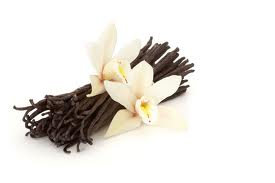
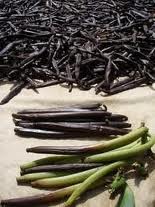
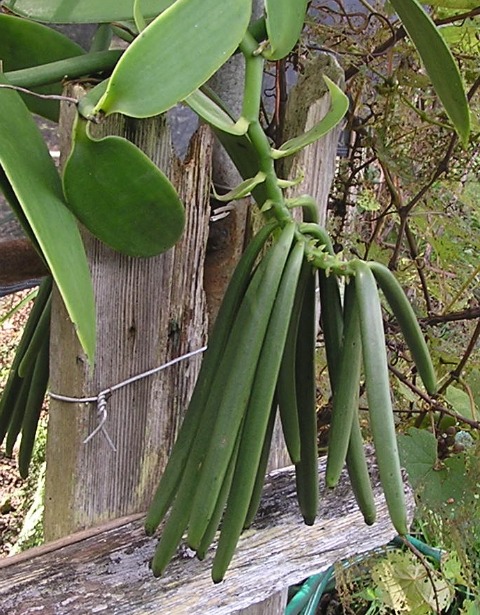 Vanilla beans about to be picked and dried after blanching or oven-drying and then sun-dried for some months.


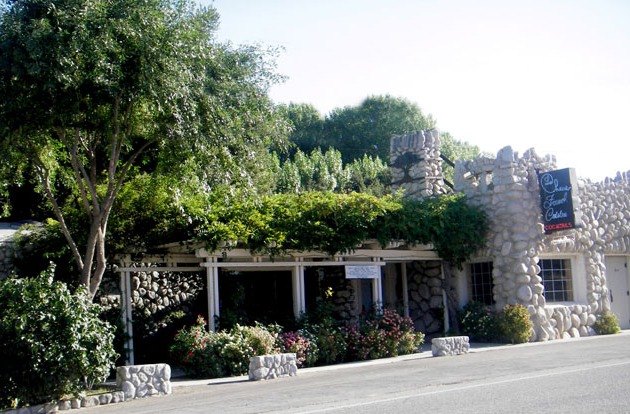
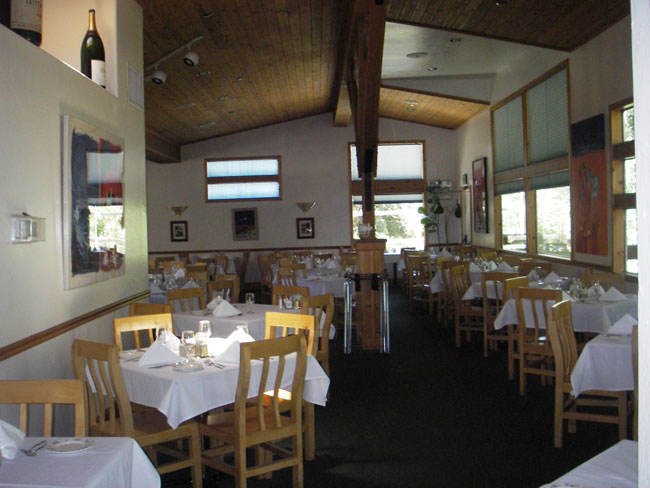 You will not find “frou-frou” designs swirled onto the plates or precariously constructed food towers here, just well-arranged dishes containing Juan’s fine quintessential cooking.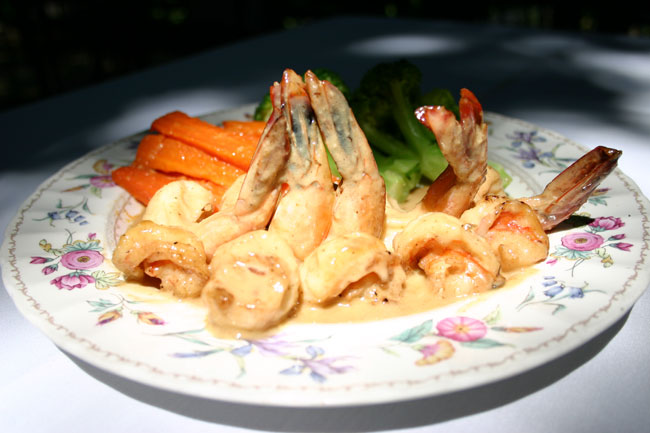
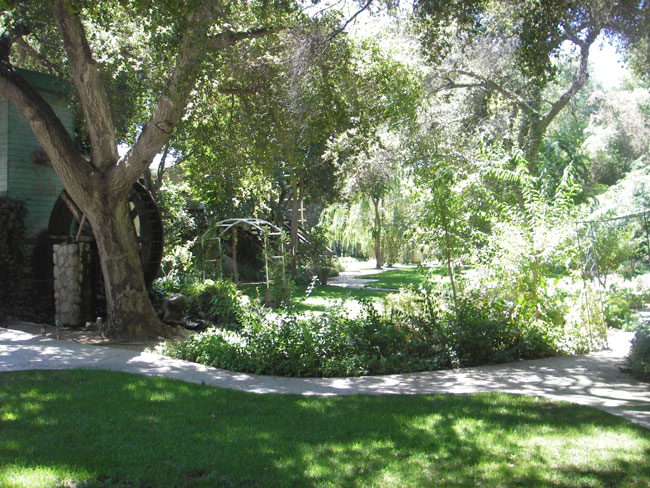 The garden where many weddings have taken place under the arbor
 Pictured above: Juan and my daughter picking citrus fruit at his home
  Blood oranges growing very well on his beautiful property nestled in the hills overlooking the vineyards on one side and the canyon on the other
 Conrad Bangkok in collaboration with China Airlines and Maverick Winery welcomes Chinese Guest Chef Albert Tse, much-acclaimed head chef from 1 Michelin-star China Blue at Conrad Tokyo, who comes to showcase his avant-garde creations for 8 days only from 4 to 11 August 2011 at Liu Chinese restaurant. Chef Albert Tse, Master of Chinese culinary arts from Conrad Tokyo, is recognized by the ultimate gastronomic accolades: the Escoffier’s “Culinary Art Master”. His distinguished culinary technique is making the best use of fresh and flavorful produce and creative modern methods of presentations. His restaurant China Blue has earned a Michelin Star in 2007 and kept it for the past consecutive 4 years.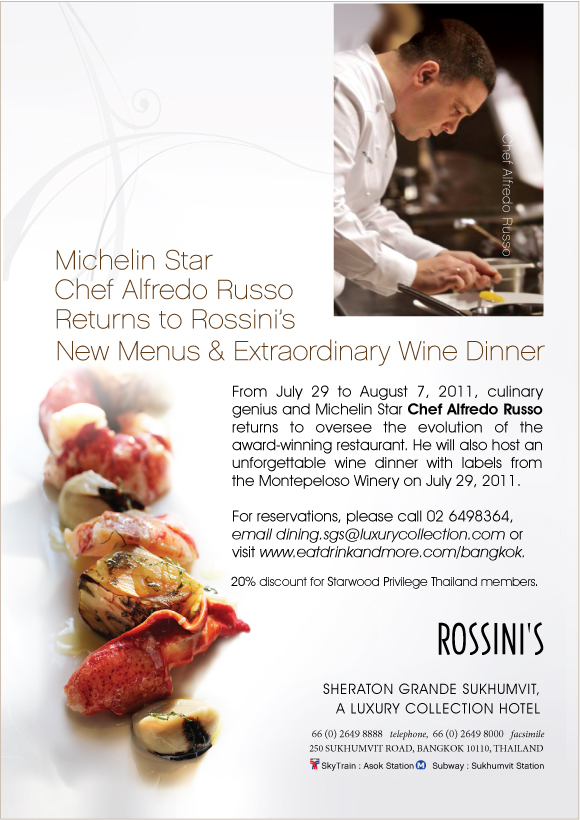

 All images, logos are the property of Punjab Grill