Selan Restaurant – Tokyo

September 26th, 2009

Selan Restaurant Tokyo (photo credit: selan-tokyo)2-1-19 Kita Aoyama, Minato-Ku, Tokyo 107
Tel. 03-3478-2200
Opening Hours: Mon-Sat 11:30am-2:30pm and 6-9:30pm; Sun 11:30am-2:30pm and 6-8:30pm (last order)
Cuisine Italian
Credit Cards: All Major
Prices: Moderate

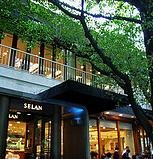
Selan is located on the road leading to the Tokyo Museum and Meiji-Jingu-Gaien Park with a large open-air terrace in the front. The interior of the restaurant is stark white and brutally modern but is mellowed by views from the many windows onto surrounding trees and the bustle of the large open kitchen.
The set lunch menu is a good choice here and offers a starter, main course, dessert and coffee or tea. Each course was attractively presented and neatly placed on the plate.
This place is popular with a young, affluent crowd and there is usually a wait for a table especially during lunch on the weekends or on holidays.
Californian or Italian wine selections are available by the glass at relatively reasonable prices.

Brasserie Jo – Chicago

September 23rd, 2009

Brasserie Jo  (Closed) See Paris Club
59 W. Hubbard
312-595-0800
Chicago, Il
www.brasseriejo.com
French Brasserie
Credit Cards: All Major
Prices: Moderate

While attending the Chicago Restaurant Show either in May 1996 or 1997 I had the pleasure to have dinner at Brasserie Jo and met Chef Jean Joho, and also present that evening was Patrick Terrail and many other Los Angeles restaurateurs that I knew. I had this to say about Brasserie Jo sometime after:

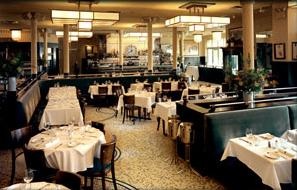
“Brasserie Jo holds a very special place in America. It is a true Alsatian Brasserie decorated in the style of the turn of the last century and I can not think of another restaurant in this country that comes as close to duplicating the authentic feeling of a true French brasserie as this restaurant does. Brasserie Jo was and remains to be a hit since it opened in 1995.
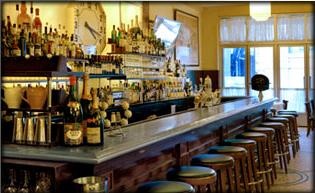
Accomplished maitre d’hotel, Jean-Marie Vandenbulcke, handles the front and Jean Joho supervises the kitchen. Alsatian wines are featured along with many French and Belgian beers that can be quaffed at the 20 seat zinc bar that was imported from France. The enormous dining room is usually packed with people and an interesting event happens every Thursday night, the “Soiree de Chapeau” where customers that wear a stylish hat win a free dessert.
The brasserie can accommodate private parties of up to 80 people and the patio seats 30.
The wonderful Alsatian menu is supported by an excellent and broad ranging wine list that has many interesting choices from the Alsace region as well as a good selection of French aperitifs and eaux de vie.
Starters: Onion soup gratinée
in crock; Assortment of pate; Duck Rilette; Smoked Salmon, crispy potato; Pate en croute Strasbourgeoise; Oysters daily selection with shallot migonette la piece. Main courses: Roasted Chicken, pomme puree; Garlic Chicken, pomme puree; Chicken Coq au vin; Filet of Salmon, lentils; The Famous Shrimp Bag; Mussels, Riesling sauce, pommes persillees; Brasserie Skirt Steak, shallot red wine; Steak, pomme frites; Choucroute a l’alsacienne.”

As with everything else time passes, and things may not be as glorious as they once were under the present Rich Melman’s “Lettuce Entertain You” blanket. Although, on the other hand, it still has the brasserie look and feel and I was happy with everything including the wine list, extensive beer menu, steak frites, mussels, the excellent crusty bread, profiteroles, the shrimp bag with lobster sauce. All tolled, nothing much had changed and the menu was much the same, and it still remains one of my favorite French brasseries in the United States.

Kushi-Tei of Tokyo, Serving Kushiage, and Yakatori – Bangkok

September 21st, 2009

Contributed by: Emi Kagawa

1st Floor Penny’s Balcony (Across the road from J-Avenue)
Thong Lo Soi 16
Tel. +66 (0) 2392 3518
Opening Hours: 6:00am-11:00pm
Credit Cards: All Major
Prices: Inexpensive

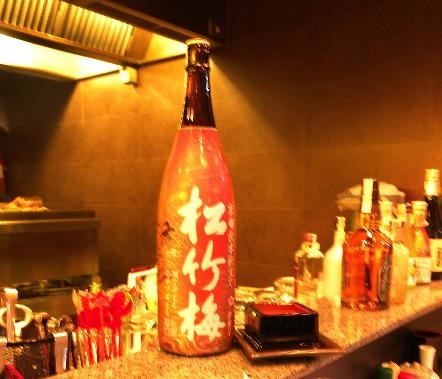
On the drinks side they have it covered with Asahi Beer on draught, a good selection of Shochu and Sake with one Shochu by the glass (made from sugar-cane) and one Sake “Jun” by the glass both are quite good and priced properly at 150 THB.

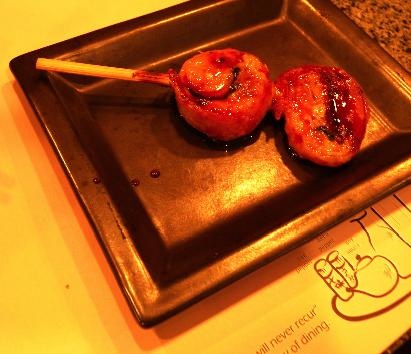
The original of this Yakatori (grilled skewered chicken) Kushikatsu, or Kushiage (deep fried skewered meat) restaurant was located in Tokyo and for some odd reason the owner,  Yasuo Tsukatani abruptly closed it, and moved the operation to the Netherlands. The Thai chef in Bangkok enrolled in a training course and learned how to cook all the dishes exactly to the original recipes by the owner, and earned a degree that is visibly posed near the front door. The training came off well as the cooking is really good. The chicken with shiso leaves is one of the exemplary examples, as well as the chicken meatballs. They make a good salad with and without seaweed although they are a bit too generous with the dressing, I found an improvement in the salad when I ordered the dressing on the side although, this could just be my personal taste.

Bussaracum Restaurant “Royal Thai-style Cuisine”, Bangkok

September 20th, 2009

Contributed by Emi Kagawa

Bussaracum Thai Restaurant
912/6 (Opposite Soi Thonglo 25) Sukhumvit 55 Road
Klongton Nua, Wattana, Bangkok 10110 Thailand
Tel: (662) 714 7801-5
www.bussaracum.com
Credit Cards: All Major
Prices: Moderate

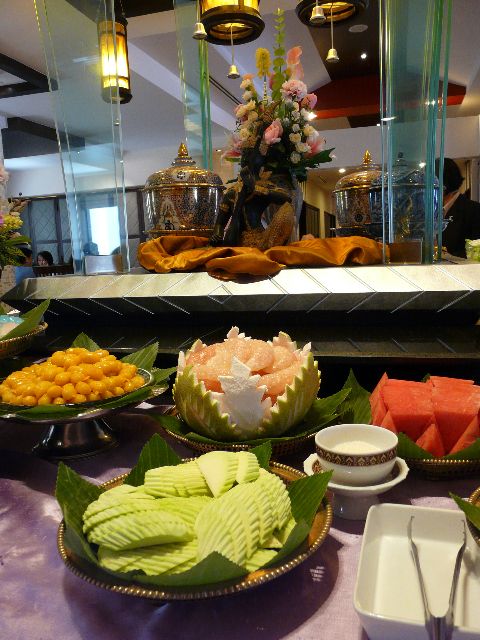
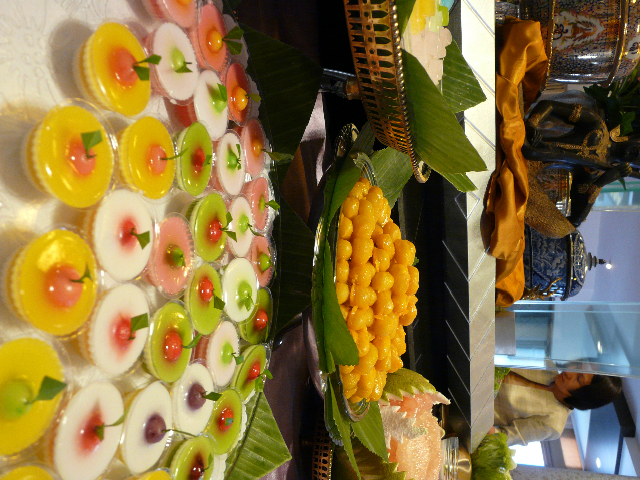
Bussaracum is one of Bangkok’s most well-known restaurants, famed for being the first Thai restaurant serving intricate fruit and vegetable carvings and Royal Thai-style cuisine. I enjoyed dined there immensely when I first visited Thailand in 1985 in its original location off Silom Road, now following the current shift, the restaurant has relocated to the trendiest area in Bangkok today, Sukhumvit Soi 55, Thonglor. I have recently dined at their new location, and I concur with people that are knowledgeable about Thai cuisine, that they are still serving the same top quality cooking. It is definitely a “must” to dine in this charming restaurant, which has been serving authentic Royal Thai-style cuisine in Bangkok for 28 years. They have garnered international publicity that other Thai restaurants can only dream of. Among the hundreds of write-ups that they have received over the years NEWSWEEK gave them the accolade. . .”One of  Thailands’s most elegant Thai restaurants” and they have the honor of being selected by Lord Litchfield for an entry in his book “Courvoisiers’ Best of the Best Awards”.  Bussaracum has been on the itinerary of many visiting government officials and heads of state including: the King of Sweden, Carl XVI Gustaf and Prime Minister of Canada, Pierre Trudeau.
Recently Bussaracum along with partner restaurants Royal Kitchen and Becccofino Italian Restaurants, which comprise The Thonglor Project a restaurant management company that offers three of the top-rated cuisines in the world, Thai, Chinese and Italian are now actively looking for joint-venture partnerships for the purpose of overseas expansion in hotels or other prime locations. Bussaracum remains to offer their well-known cooking classes and you are invited to join. Please call Tel: (662) 714 7801-5 for more information.

Liquid Kitty Bar – West Los Angeles

September 16th, 2009

Liquid Kitty
11780 W. Pico Boulevard
Los Angeles, CA 90064
(between Barrington & Bundy on the south side of Pico)
Tel. 310-473-3707
www.liquidkitty.com

Happy Hour:
Monday-Friday 5pm – 8pm
Sundays: All NIght
well Drinks: $4.50

Low Life: $4.00
(well shot and Pabst Blue Ribbon)
$1.00 off all Martinis

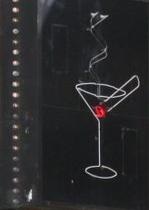
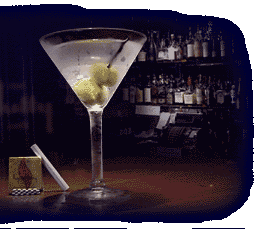
There is no sign with a name on it per se in front of Liquid Kitty Bar, a trendy Pico Boulevard dive—just look for a neon sign of a Martini glass with a flashing cigarette inside the bowl of the glass, on top of a dreary storefront.
Known for their large, award-winning Martinis, served in an over-sized frosted glass, Liquid Kitty charges $10 each but there is at least 3 oz. of ice cold vodka or gin in the glass, after consuming one you are on your own, and if you dare order another, you might be asking for trouble. Liquid Kitty has No TV’s  . . . No Pool Table and the small, very dark bar is just what you would expect this type of place to be.
Unless you are not into conversation, go early after the office and before the loud music starts and you will be able to hear every word spoken and you will not have to scream to be heard; everything is fine until after 8pm. If you are going to catch the sounds, than by all means turn up later in the evening when things are starting to get hot.

Beccofino Thonglor Gourmet Menu: Japanese King Crab, Abalone, Wagyu Beef – Bangkok

September 15th, 2009

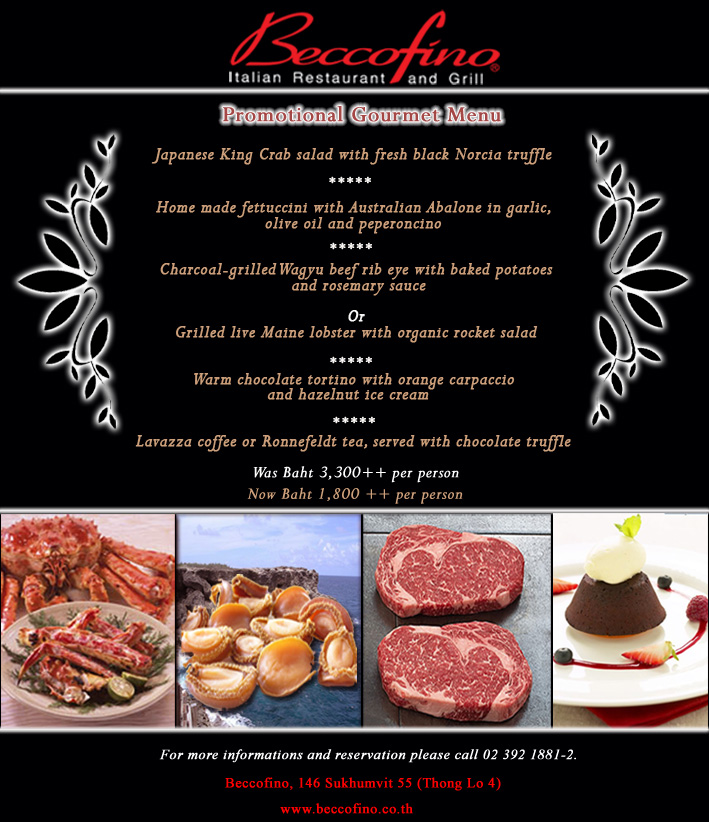
This exotic gourmet menu presents a rare opportunity to sample Japanese King Crab, Abalone and Wagyu Beef Ribeye or Live Maine Lobster together at the exceptional price of only 1,800 Thai Baht. This price reflects a huge discount off the regular price! This promotion is on through October and is attracting many discerning diners. There is also a similar menu featuring Kobe Beef Set at the same price. For more information or to make a booking call Beccofino Thonglor’s Restaurant Manager, Julian at Tel. 02 392 1881-2.

“Miele Guide” Asian Restaurant Picks for 2009

September 14th, 2009

The Asian “Miele Guide” was quickly created this year, owing to the continual bad showing of Asian restaurants in the San Pellegrino “World’s 50 Best Restaurants” runoff, held annually in London. Miele, in case you wondered, is a German-based company that produces household appliances for the German domestic market.
This year, for example, Miele’s No. 1 scoring restaurant Singapore based, Iggy’s at the Regent Hotel placed a lowly 77th on the San Pellegrino list of winning restaurants. It seems to me, that this entire exercise, if not a really last-ditch stand, is at least a bit embarrassing. In any case, following is the list of  Asian restaurants picked by Miele as the 20 Best Asian Restaurants:

1. Iggy’s, Singapore.
2. L’Atelier de Joel Robuchon, Hong Kong.
3. Les Amis, Singapore.
4. Gunther’s, Singapore.
5. Mozaic, Ubud, Bali, Indonesia.
6. Robuchon a Galera, Macau, China.
7. Garibaldi, Singapore.
8. Yung Kee, Hong Kong.
9. Hutong, Hong Kong.
10. Antonio’s Fine Dining, Tagaytay, Philippines.
11. Caprice, Hong Kong.
12. Zuma, Hong Kong.
13. L’Atelier de Joel Robuchon, Tokyo.
14. Bukhara, New Delhi.
15. Grissini, Hong Kong.
16. Nobu, Hong Kong.
17. M on the Bund, Shanghai.
18. Fook Lam Moon, Hong Kong.
19. Zanotti, Bangkok.
20. Kyubey, Tokyo.

Tanjung Pinang, Bintan Island – Indonesia

September 13th, 2009

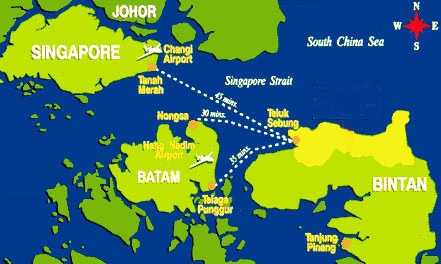
In 1990 while residing in Singapore, I was obliged to renew my visa every two weeks, which required me to either take a boat to Batam Island in Indonesia or to take a taxi to the bridge that crosses over to Jahor Bharu in Malaysia. If you choose the latter, it is necessary to switch to a Malaysian taxi that takes you over the bridge into the dusty, chaotic city. I usually opted to take the 30-minute ferry trip to Batam, to me a more relaxing mode of travel, and spend a quiet weekend there while also accomplishing the renewal of the visa at the same time. 
Almost every weekend, I was pleased to escape the constraints and restrictions enforced at the time in the city-state of Singapore, and make a dash to one of these islands.

Above Map: Tanjung Pinang at the bottom right of the map. At the time it seemed as if it could be a thousand miles from Singapore, as it was so backward, even though it was relatively close.

On this particular weekend I decided to visit the village of Tanjung Pinang on Bintan, a large and mostly undeveloped island at the time in the Riau group, which are scattered in the South China Sea between Borneo and Sumatra. Chloroquine resistant mosquitoes plague the Riau and there is always a risk of contracting malaria, although for me, the excitement of visiting a new place temporarily obscures these fears.
The large catamaran “Supercat” with its high free-board had difficulty docking in the high wind and heavy rain produced by a sudden squall. Barely visible through the window a cluster of rusty, corrugated tin roofed buildings were huddled together on a platform held up by stilts and attached to a decaying, old pier.
A boy representing the main hotel, Riau Holidays Inn led me down a pier to a small boat on which we had a hairy ride to the dock of the hotel, which sits on stilts above the sea. The lobby was dark at mid-afternoon, as the storm was still raging, and the only light came from a few low-wattage globes. I had a premonition that this trip was going to be anything but fun.  The deluxe room was appallingly dirty; worn carpets on the floor, dirty drapes with some of the fastenings missing that hung limply over salt stained windows, in the bathroom a wretched toilet with the seat missing and when flushed produced a trickle of water with a vile smell of sewerage.  The water, needless to say, trickled out of the tap in the bath and the sink at the same speed and they were equally useless.
I walked down the dark hall towards the bar amidst the pungent smell of durian coming from most of the guestrooms and was particularly evident under a sign which stated NO DURIENS IN THE HOTEL PLEASE!  Having reached the bar I ordered a gin and tonic and settled back as I gave a look at the worn, badly stained and poorly photocopied menu.  After one more drink I placed my food order with the bar girl.
Only to be told, “Sorry kitchen closed.”
I looked at my watch. I couldn’t believe it. It was only five past eight.
“You may have a sandwich”, she said sympathetically.
“OK, I’ll have the chicken sandwich.”
“Sorry no chicken.”
“All right, which sandwiches do you have?”
“Sardine sandwich, mister.”
“OK, sardine sandwich.”
The night market is by far the best place to dine at night, located near a mosque and some Dutch Colonial houses built on the hill, which must have been quite grand at one time. At night kerosene lamps light the pier and when the tide is low, piles of garbage are visible through large gaps in the rotting and mostly unsecured boards.
The rain had reduced to a drizzle so I ventured out the back entrance of the hotel onto the pier where the thick, night air was hot and humid. Bunches of rambutan and piles of durian are stacked everywhere and the vendors are doing a brisk business; intermittent smells of sewerage and durians almost seem to mingle, although each is distinctly different. Motorbikes inch their way through the foot traffic and cause the loose boards to rise and fall making a rattling, popping sound. The locals blatantly stare as I make my way down the pier and onto the pot-holed, red, mud-filled streets.  A middle aged man riding a motor scooter stopped me as I sauntered along and amazed me with a short dissertation on American and Canadian geography.
“Ottawa is the capital of Canada isn’t it?”
“Mt. Whitney was the highest mountain in North America before Alaska became a state?” “Right?”
Slowly I manage to ease away from this “world atlas on a motor bike” and continue to see the rest of the village.
Not more than a few minutes later I heard a soft voice from behind say,
“Hope you won’t mind if I walk with you and practice my English, I speak little.”
I turned around and there appeared a thin boy wearing only blue shorts close on my heel. After a minute or so of difficult conversation as we walked, he pointed to a large Dutch house in serious disrepair.
“Will you come to see the house where I live?”
Curious to see the interior of one of these Dutch houses, I cautiously answered in the affirmative. We entered a long room with narrow couches on both walls and long tables in the center covered with embroidered cloths, which draped over the sides. Paintings of Indonesian landscapes hang on the walls.
The boy cordially asked again in the same soft voice, “Would you like some tea?”
“No, but thank you very much”, I replied.
He pulled out some albums from under one of the tables and began to thumb through them proudly showing me photos of his friends and family in Sumatra, his birthplace.
He surprised me by saying, “Would you accompany me tomorrow morning at 7am to my English class?”
“I would like to”, I said. “However, 7am is a little early in the morning for me.”
“Maybe we can meet later in the day?”  He replied.
“Maybe”, I said, leaving it open.
Tired of being constantly approached and badgered I return to the hotel and prepared to have a quiet drink, trying to postpone the return to my worn and unpleasant room.
A young Indonesian man, standing next to me at the bar, blurts out, “I am going next week on my honeymoon to New York and I speak little English, maybe I should buy Mandarin Chinese/English computer—I speak Mandarin and Indonesian.”
I answered quickly, “Why are you going to New York for your honeymoon?”
He didn’t understand so I tried again. “New York is not a good place for honeymoon”.
“Oh, my wife has family in New York,” he answered.
“Well, in that case you probably will not need the computer,” I went on.
“Why?” he asked.
“Because your wife’s family will guide you around the city”.
The conversation that continued tenuously was thankfully halted when he said, “Let’s go up to my room, drink some beer and you can meet my friend, he speaks good English.”
We climb the stairs and walk down the dark hall and enter his room, which is in as bad a condition as mine. He introduces me to his friend who is a fat, jolly little man who spoke just slightly better English than he does. Four drunk young men are half-sitting, half-lying on the two swayback beds.
“Don’t mind the condition of these men”,  the friend says as he rips off his shirt exposing a white, hairless chest and a potbelly, “We are all celebrating the marriage of our friend who departs for New York next week.  My nick-name is Puja and here is my card, my uncle owns this hotel”.
I thought to myself, if he is a relation to anyone who would own a hotel like this, I do not want to know him!
“Would you like to try some satay and noodles from the night market and some cold beer?”
Before I had the chance to answer, he told his friend, “Call the waiter.”
The food and beer arrived in due course and Puja attacked one of the plates of noodles with loud slurping sounds. He then reached for a skewer of satay and literally vacuumed off pieces of meat all while quaffing down beer.
“I must be leaving”, I said.
“Meet us tomorrow morning”, my jolly host said, as he brushed noodles and sauce from his mouth with the back of his arm, “We will call at your room at 10 am—then  some beer and a big lunch, you will like it, you will certainly like it!
I set my alarm for 7:30 a.m. knowing a boat departed at 8 a.m. and the next morning, quickly took my bag and very quietly went out of the room and down to the lobby. Soon I was on a boat to Batam, I sat looking through the window at its wake bouncing off the stilts of the hotel that was disappearing slowly into the distance.

Great Tastes of the Northwest – Seattle

September 12th, 2009


The city of Seattle has many interesting restaurants especially if you enjoy Japanese cuisine. It seems that the city fathers are quite complacent in many ways and in some aspects may even be years behind their neighbor to the North, Vancouver. The downtown area is set between lovely Elliot Bay and magnificent surrounding lakes and mountains covered with evergreen trees. These features give the necessary geographical qualifications for the making of a beautiful city. Areas such as Belltown have sprung forth and offer a showcase for quaint shops and new restaurants, although many parts of the downtown area of the city are rundown and overrun with homeless people sitting on stoops, but what city is without these blights?

Pike Market is an interesting place to visit for both residents and tourists alike to pore over beautifully displayed fruit, vegetables and glimmering fish and many restaurants abound within, most with views of the bay. This market is the oldest continually working farmers market (since 1907) in the United States. If you are interested in things culinary, walk across the street and visit Sur le Table. This is a cooking equipment store extraordinaire and everyone should at least take a look at the thousands of different types of culinary equipment that they have on display, and chances are you will not be able to leave without buying something.

Seattle has many changes to make not the least among them to brighten up the seedier areas of downtown, while residents of this interesting city get ready for further expansion.

CAFÉ CAMPAGNE
86 Pine Street, Seattle
206‑728‑2800
Credit Cards: All Major
French Breakfast & Lunch only

Café Campagne is located directly below the Campagne Restaurant and is only open for breakfast and lunch while conversely, the more formal Campagne is open in the evenings. The café is smart and very French in feeling; a large counter‑bar splits the room in half and is the dominant feature of the restaurant. I prefer the feel of this lively place to the more staid upstairs restaurant. Excellent crusty bread and a good bistro menu with many choices of hard‑to‑find French country wines by the glass such as the charming Loire Valley white wine Quincy, Denis Jaumier and Aligoté, Francois Mikulski make this place an unusual find in Seattle. The cafe’s selections of French country wines are not to be found in other area restaurants.

CAMPAGNE
86 Pine Street, Seattle
206‑728‑2800
Credit Cards: All Major
French style Dinner only

Campagne has casual, country French decor and the glimmer of candles and soft lighting gives the room a very relaxed and romantic aura, with a wait staff that provides more than adequate service.
It is an interesting room with a small bar to one side and a view of the large red Pike Market sign. My first impression was that the feeling in the dining room is more uptight than comfortable and the small and limited menu finds one turning it over to look for more choices. I certainly felt better in the surroundings of the café downstairs.
Both Campagne and Café Campagne on the times I visited had the major flaw of using devastating amounts of salt and/or MSG, which had me quaffing bottles of water late into the night. I hope they have solved this problem as I am sure they must have!

SIAM
616 Broadway Ave. East, Seattle
206‑324‑0892
Credit Cards: All major
Thai – Lunch Mon‑Fri, Dinner Mon‑Sat

As it is with most good Thai restaurants, a woman controls the kitchen and Siam is no exception. This simple restaurant with its small open kitchen and a fish tank to guarantee the freshest seafood was one of the first Thai restaurants in Seattle and maintains its position as one of the best. It is patronized by many of the large Thai population that lives in and around the Seattle area as well as other locals.

CANLIS
2576 Aurora Avenue North, Seattle
206‑283‑3313
Credit Cards: All Major
American – Dinner only
This restaurant has had a recent ultra-modern makeover but long gone are the days when there was a Canlis Honolulu, though locals consider Canlis a fixture on the shore of Lake Union since its inception in the 1950s and it is always crowded. Canlis does turn out good steaks and offers a few fish dishes and fresh oysters that are always reliably delivered by waitresses in Japanese dress.
The restaurant is now run by the third generation of the Canlis family, brothers Mark and Brian.

LAMPREIA
2400 First Avenue, Seattle
Tel. 206-443-3301
Italian: Dinner Only
www.lampreiarestaurant.com
Opening Hours: Tuesday-Saturday 5:30pm, last seating 8:30
Bar: Full Bar, extensive wine list
Reservations: Essential
Parking: Nearby lots
Credit Cards: All Major
Prices: Expensive

The gold‑toned interior of this big‑city style restaurant in avant‑garde Belltown is the perfect metier for chef‑owner Scott Carsberg to present his well‑bred cuisine. Each month he produces a few featured entrees that get the attention of regulars who return often during the month to sample all of them. It is a smoothly run restaurant that guests would feel at ease in almost any city. Chef Carsberg does well with most dishes but goes the extra mile when dealing with the exquisite seafood of the northwest.

NISHINO

3130 E. Madison Street. Seattle
206‑322‑5800
Credit Cards: All major
Japanese – Lunch Mon‑Fri, Dinner Mon‑Sat

A long drive from downtown is required to find this Japanese restaurant. The fact that the restaurant covers almost all of the Japanese styles of dining is not really a huge incentive for the drive. It is clean and set in the middle of an upper‑middle‑class residential district in a small shopping area. A splashy, outrageous looking mural painted on several panels covers one wall and is the centerpiece of the decor. It portrays a few disconnected scenes. One bazaar panel in particular, shows over‑zealous bar girls trying to wave in a customer and another shows a girl huge‑in‑proportion to the miniature sailor she is playing around with. The cooking is sometimes inventive, although the main stays are sushi and other traditional Japanese dishes. Seafood is always fresh and is popular with visiting Japanese as well as with customers from the neighborhood.

MANEKI
304 6th Avenue South, Seattle
206‑622‑2631
No cards
Japanese – Lunch & Dinner

We set out specifically to sample one dish called Salmon Seiro made from salmon and salmon roe and steamed in a bamboo basket over a container of boiling water. Maneki, as it turned out, was a run‑down restaurant and bar located in a dismal area above the International Marketplace, and although the dish was well executed and the salmon and roe was of the highest quality, I have to say, the experience was diminished by the shabby dining room in which we had to consume it and more importantly the absence of the impeccable cleanliness usually found in Japanese restaurants.

ROVER’S
2808 E. Madison Street, Seattle
206‑325‑7442
Credit Cards: All Major
French – Dinner only Tues‑Sat

In a small, charming house girdled with beds bursting with fresh herbs and flowers, chef‑owner Thierry Rautureau spins French culinary magic for eager patrons that beat a path to his door each evening. Making good use of local Northwestern ingredients and transforming them into exotic creations, he especially does well with game items as pheasant, quail, venison and rabbit and also with more commonplace items such as salmon, crustaceans and shellfish, and presents to them to diners bathed in light, gossamer sauces. Chef Rautureau also has a talent for preparing various pasta concoctions although he tends to be overly generous with the portions. An eight‑course menu and a five course menu are featured daily as well as a vegetarian menu. The wine list is well balanced with selections of local and French wines.

WILD GINGER
1400 Western Avenue, Seattle
206‑623‑4450
Credit Cards: All Major
Lunch Mon‑Sat, Dinner Mon‑Sun
Asian

Wild Ginger is located near Pike Place Market and prepares a sampling of dishes from most of the well‑known Asian countries however, it must be noted that some dishes are executed better than others. The satay bar offers a variety of skewered meats and vegetables in addition to live crab. The wine list is fairly limited, but they have most of the local beers covered and the establishment stays open very late.

KITTO JAPANESE NOODLE HOUSE
614 Broadway East (Alercer St.), Seunle
206‑325‑8486
Credit Cards: VISA, MC
Japanese Noodle House – Lunch & Dinner daily

All the favorite Japanese noodle dishes are available in this compact sixty‑seat noodle house including soba and udon in a sometimes overly salty broth. Tempura, robata and teriyaki are also available. Any inconsistencies are probably due to the fact that it is not operated by Japanese management.

CUTTERS BAYSIDE
2001 Western Avenue, Seattle
206‑448‑4884
Credit cards: All Major
American – Lunch & Dinner daily

Cutters in years past was a large chain that operated multiple restaurants in Washington, California, Hawaii and various other states. It has now ceased operating other outlets to concentrate on its figurehead restaurant in Seattle. Although Cutters Bayside has a spectacular view of the bay, this it is not enough to outweigh inconsistencies in food, service and the lack of personal attention. When it is running well the fish is fresh with a good selection of oysters and crustaceans in season. The wine list contains many Northwest and California selections that pair well with the mainly seafood menu.

SHIRO’S
240 2nd Avenue. Seattle
206‑443‑ 9844
Credit cards: All Major
Japanese – Lunch Mon‑Fri, Dinner Mon‑Sat

Shiro Kashiba, educated Seattle to the art of sushi making when he headed the staff at the Nicco restaurant in the Westin Hotel. He eventually left Nicco to open his own place, which is located on a corner in the bohemian Belltown area of Seattle. You may expect an energetic sushi bar with a genial staff to serve you. The restaurant is decorated in black and white with a red marble counter on the sushi bar and accents of white pine. Venetian blind covered windows face onto the streets outside.

Fresh salmon roe dipped into soy sauce and sake was one of the outstanding offerings that day along with fresh salmon sushi, the best my Japanese wife, a seasoned diner, had ever eaten, and a king crab roll was delicate and balanced well with the crisp seaweed nori wrapper.
Forbidden City by Indochine – Singapore

September 7th, 2009

3A River Valley Road, #01-02 Clarke Quay
Tel.+65 6557 6268
Website: http://www.indochine.com.sq
Operating Hours:
Sun-Thur: 3pm-3am
Fri/Sat: 3pm-6am
Type: Pub/Bar
Entry: Free
Full Bar
Dress Code: Casual, stylish, or business attire
Music: House, World
Credit Cards: All Major
Prices: Moderate

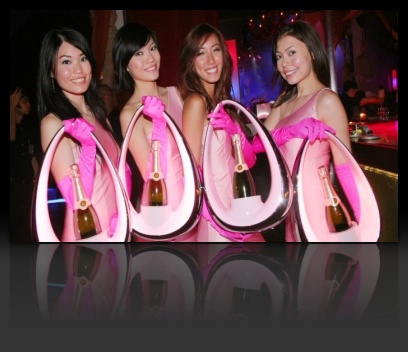
Gigantic stone warriors guard the entryway of Forbidden City, make your way downstairs to the Bar Cocoon, relax and lie down on numerous opium-style daybeds, although no opium is provided. Drop in on Wednesdays where Babes and Bubbles Ladies Night is in full-swing with buy one get one deals on Veuve Clicquot champagne (by the glass), selected cocktails, house wines and beers. The Ice Palace bar seats and bar top are made from solid blocks of ice and seats ten persons. Is it worth the special cover charge to knock back a few 42 Below Vodka shots ($15 each) in minus-5 degree Celsius? That depends on your point of view, although it seems to be a “popular thing to do” as every steamy, major city in Southeast Asian has their own version of the same theme.